
Surface Renewal Without Complete Slab Replacement
Concrete Overlays in Charlotte for restoring damaged or deteriorated concrete surfaces when substrate conditions allow
Concrete surfaces that show surface-level cracking, spalling, or wear patterns do not always require full slab removal and replacement. Midas Touch Finishes assesses existing concrete to determine whether an overlay system can restore the surface by bonding a new finished layer over the structurally sound substrate beneath. This approach works when damage remains limited to the top portion of the concrete and the base retains sufficient integrity to support additional material.
The overlay process begins with substrate evaluation, which identifies whether the existing concrete has active moisture issues, structural cracks that propagate through the full depth, or delamination that would prevent proper bonding. If the substrate passes inspection, surface preparation removes loose material and creates the profile needed for mechanical bond, followed by application of the overlay material in the specified thickness.
Arrange a substrate assessment to identify whether your concrete condition qualifies for overlay installation or requires alternative repair methods.
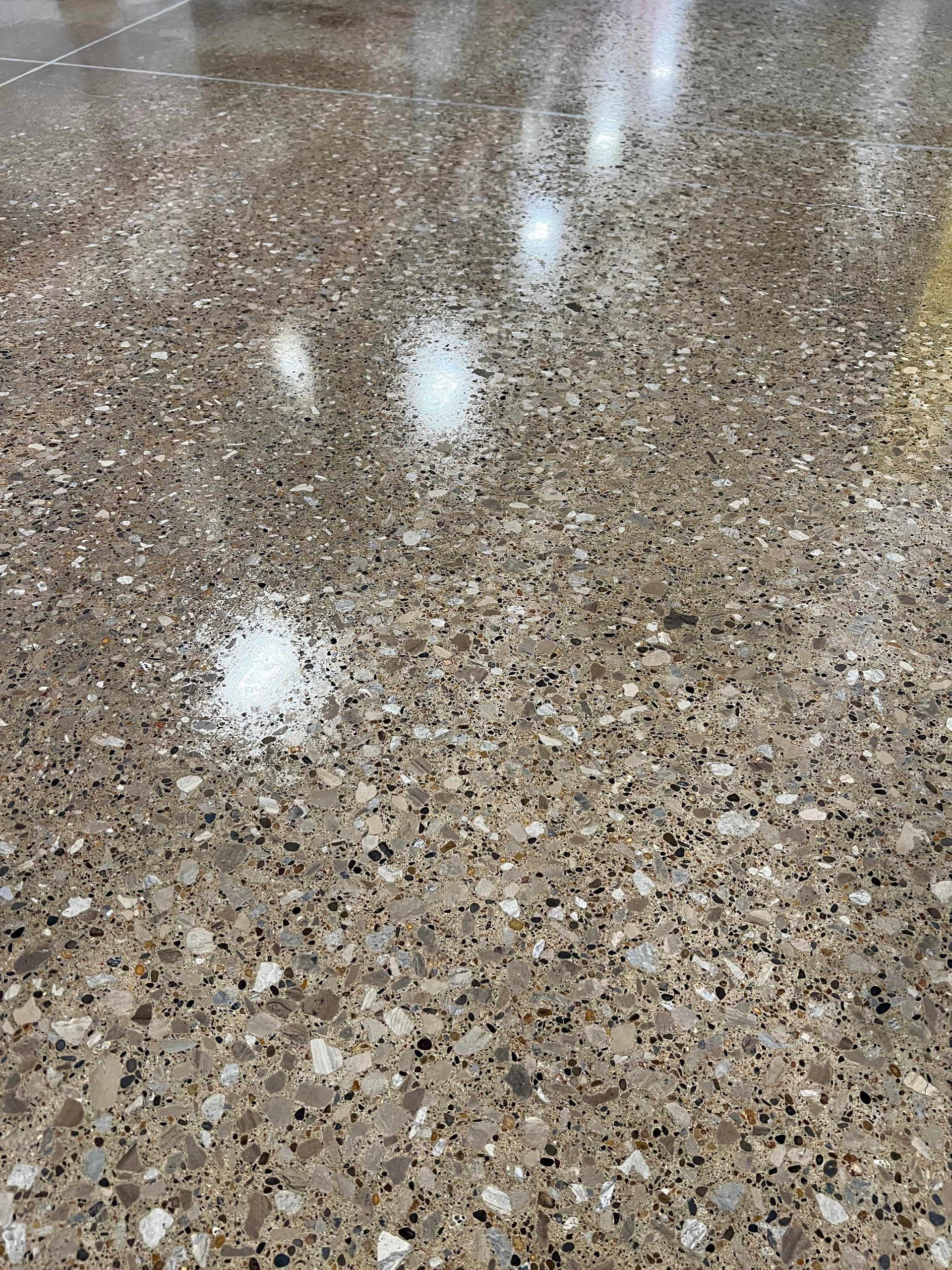
How Overlays Address Surface Damage
An overlay creates a new wear surface by covering existing imperfections with a bonded layer that becomes the functional top of the concrete system. The material used depends on the application—self-leveling overlays provide smooth surfaces for interior floors, while thicker trowel-applied systems can handle exterior exposure and vehicle traffic. Proper surface preparation ensures the overlay does not delaminate under load or environmental stress.
Once the overlay cures, you see a uniform surface that eliminates the previous cracking, staining, or pitting visible on the original concrete. The new surface accepts stains, sealers, or coating systems, allowing you to achieve the finished appearance required for the space. The overlay becomes the sacrificial layer that handles wear while protecting the structural concrete underneath.
Overlays do not repair structural problems or stop active settlement, and they perform only as well as the substrate beneath them. If the underlying concrete continues to move or deteriorate due to moisture infiltration or base failure, the overlay will eventually reflect those issues through cracking or debonding.
Common Questions About Overlay Applications
Property owners considering overlays typically want to understand substrate requirements, application limitations, and how overlay performance compares to full slab replacement.
What existing concrete conditions disqualify a surface from receiving an overlay?
Active structural cracks that move with temperature or load changes, severe delamination where the top layer separates from the base, high moisture vapor transmission rates, and ongoing settlement all prevent successful overlay bonding.
How thick does a concrete overlay need to be to provide adequate durability?
Overlay thickness varies from one-eighth inch for decorative self-leveling products to half an inch or more for exterior traffic surfaces, with the specific requirement determined by expected load and exposure conditions.
Why is surface preparation critical for overlay adhesion?
The overlay bonds mechanically to the substrate texture created during preparation, so insufficient profiling or contamination from oils, curing compounds, or existing sealers prevents the overlay from developing the bond strength needed to resist delamination.
What happens if moisture comes up through the original concrete after overlay installation?
Moisture vapor pressure can cause the overlay to debond or blister if the substrate was not properly tested and sealed before application, which is why vapor emission testing is conducted on interior slabs before overlay placement.
How does Charlotte's freeze-thaw cycle affect exterior overlay performance?
While Charlotte experiences fewer freeze-thaw cycles than northern regions, exterior overlays still require air entrainment and proper drainage to prevent moisture accumulation that could cause surface scaling or cracking when temperatures drop.
Midas Touch Finishes conducts substrate testing and surface evaluation before recommending overlay installation to verify that your concrete will support the new material long-term. Contact our team to schedule an inspection that includes bond testing and moisture evaluation for your specific flooring situation.