
Finishes That Hold Up to Real Use
Interior Painting in Charlotte for walls, ceilings, and trim requiring fresh color, updated finishes, or final coats after remodeling and drywall work
Paint transforms how rooms read visually, but the quality of the result depends entirely on surface preparation and coating selection. Interior painting from Midas Touch Finishes serves both as a standalone refresh for Charlotte properties and as the finishing step for remodeling projects involving drywall, flooring, and other interior improvements. When trim shows wear at high-contact points, walls display scuffs and stains that won't wash clean, or ceilings have yellowed from age, new paint restores uniform appearance and allows you to shift color schemes to match current furnishings and design preferences.
The process involves preparing surfaces by filling imperfections, sanding rough areas, priming where needed, and applying finish coats that cover uniformly without streaking, lapping, or showing brush marks. Preparation determines outcome—skipping steps leaves flaws visible under the new finish, while proper prep creates surfaces that accept paint smoothly and wear evenly over time.
Request a detailed estimate based on your room count, surface conditions, and color preferences for walls, ceilings, and trim.
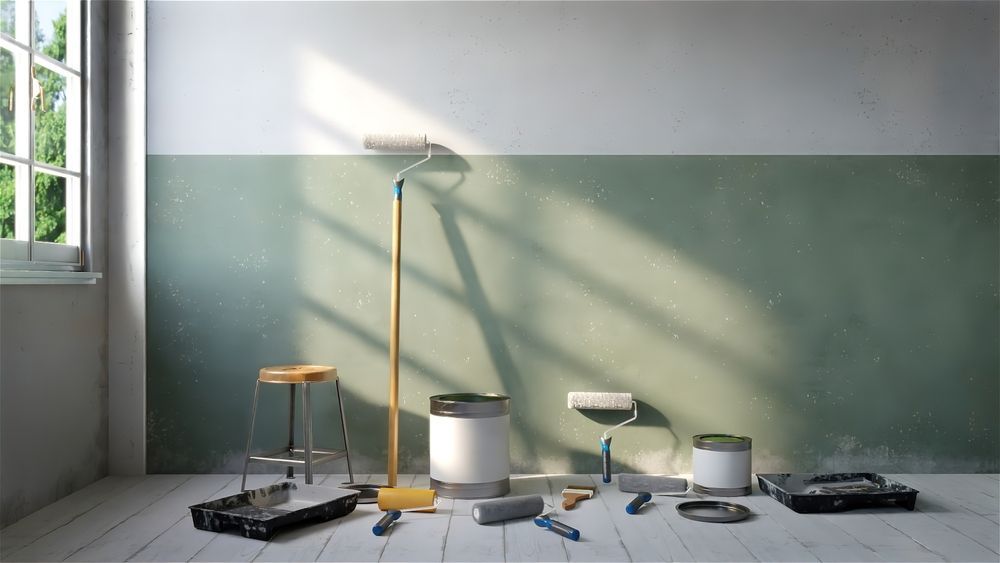
The Difference Between Painting and Proper Coating
Coating selection depends on surface type and exposure: walls in high-traffic areas need washable finishes with higher sheen, while ceilings typically receive flat paints that hide imperfections under angled light. Trim and doors require harder, more durable coatings that resist impact and frequent cleaning without losing adhesion or showing wear patterns. Primer seals porous surfaces like new drywall, blocks stains from bleeding through, and improves topcoat adhesion on slick or previously coated surfaces.
After painting, rooms display uniform color without holidays, streaks, or visible transitions between old and new work. Cut lines along ceilings and trim appear crisp, corners meet cleanly, and surfaces feel smooth without grit or texture from inadequate sanding. Color shifts the room's mood and apparent size—lighter tones open small spaces, while darker hues add intimacy to larger rooms, and the interplay between wall, ceiling, and trim colors defines architectural details.
Interior painting coordinates with project timing: it follows drywall finishing and priming but precedes flooring installation when possible to avoid overspray and drips on finished floors. For remodels, painting happens after cabinets and countertops install but before final fixtures and hardware to prevent coating freshly painted surfaces during those installations. Multiple coats require drying time between applications, and ventilation affects how quickly paints cure to their final hardness.
What Property Owners Usually Ask
Residents updating Charlotte interiors often have questions about painting as both a standalone service and as part of broader remodeling efforts.
What preparation does interior painting require?
Surfaces are cleaned, holes and cracks filled with spackle or joint compound, glossy areas sanded for adhesion, and trim caulked where gaps appear—skipping these steps leaves flaws visible under the new finish.
How does paint sheen affect durability and appearance?
Higher sheen levels like satin and semi-gloss clean more easily and resist moisture better, making them suitable for kitchens, bathrooms, and trim, while flat and eggshell finishes hide wall imperfections but show scuffs more readily.
Why do some painted walls show streaks or uneven color?
Inadequate coverage, poor surface prep, or applying topcoats before primer fully dries causes uneven absorption and color variation—proper technique eliminates these issues through sufficient coats and appropriate drying time.
When should walls be painted during a remodel?
Painting follows drywall work and precedes final flooring when possible, though sometimes trim and touch-up coats happen after floors install to address any damage from subsequent trades working in the space.
How does humidity in Charlotte affect paint drying?
High humidity slows solvent evaporation and extends cure times, so adequate ventilation and timing matter—applying subsequent coats or exposing freshly painted surfaces to moisture before full cure can cause adhesion failure or surface defects.
Midas Touch Finishes handles interior painting as standalone updates and as finishing components for drywall, remodeling, and
flooring projects across Cornelius properties. Arrange an on-site consultation to review surfaces, discuss color selections, and determine project scope.