
Floors Built to Handle Daily Traffic
Resilient Flooring in Charlotte for homes balancing appearance with practical room use
Midas Touch Finishes installs carpet and luxury vinyl plank flooring across Charlotte properties where surface selection affects both how rooms look and how they hold up under regular use. Different spaces place different demands on flooring—high-traffic hallways require different material choices than bedrooms, and moisture-prone areas like basements call for surfaces that won't delaminate or hold odors. The way a floor performs over time depends on matching the material to the specific conditions it will face.
Carpet provides sound dampening and comfort underfoot, making it suitable for bedrooms and low-traffic living areas where softness matters more than resistance to spills. Luxury vinyl plank offers water resistance and ease of cleaning, which makes it appropriate for kitchens, bathrooms, entryways, and basements where moisture or frequent cleaning is expected. Both materials come in multiple visual styles, allowing appearance preferences to align with functional requirements rather than working against them.
Schedule a property evaluation to review room-specific flooring needs and material options.
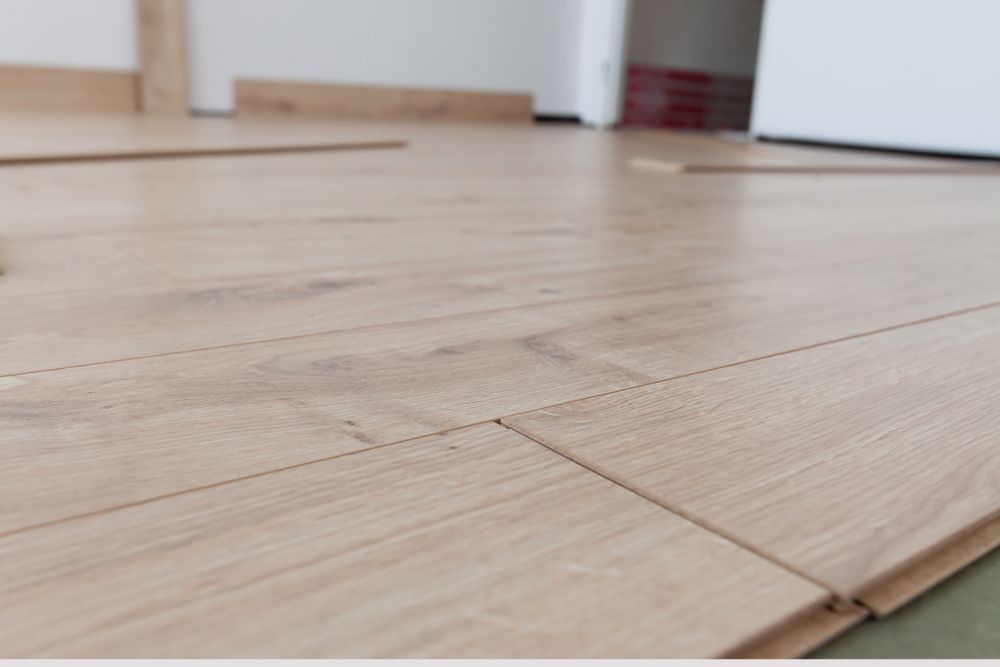
How Material Selection Affects Long-Term Performance
Choosing between carpet and LVP involves more than visual preference—it requires evaluating how each room gets used, what kind of cleaning the floor will require, and whether moisture exposure is a factor. Carpet in a basement with occasional humidity issues will develop odors and potential mold growth, while LVP in that same space remains unaffected by moisture. Conversely, LVP in a bedroom may feel colder and louder underfoot compared to carpet, which absorbs sound and provides thermal insulation.
Once the appropriate material is installed in each space, you notice that high-traffic areas stay cleaner with less effort when LVP is used, as dirt and spills wipe away without penetrating the surface. In carpeted rooms, the flooring continues to muffle footsteps and reduce echo, creating a quieter environment. The visual continuity across rooms remains consistent when materials transition logically based on function rather than arbitrary placement.
Both carpet and LVP installations involve subfloor preparation to address unevenness or damage before new flooring goes down. Minor gaps or transitions between materials are managed with trim pieces that allow each floor type to expand and contract independently. The thickness and padding under carpet affect how firm or soft the surface feels, while LVP thickness determines resistance to denting from furniture legs or dropped objects.
What to Know Before Selecting Flooring
Homeowners in Charlotte frequently ask about flooring options when planning room updates or addressing worn surfaces, so these answers clarify how material choice connects to long-term satisfaction.
What determines whether carpet or LVP works better in a specific room?
The decision depends on moisture exposure, traffic volume, and whether sound dampening matters—carpet absorbs noise and feels softer, while LVP resists water and cleans more easily.
How does subfloor condition affect the flooring installation?
Any unevenness, damage, or moisture issues in the subfloor must be corrected before new flooring is installed, as imperfections telegraph through thin materials like LVP and cause premature wear patterns in carpet.
When should flooring be replaced rather than cleaned or repaired?
Carpet with permanent stains, odors that persist after cleaning, or visible wear patterns in traffic lanes typically requires replacement, while LVP that shows scratching, planks that have lifted, or locking mechanisms that no longer hold also indicates the need for new material.
What maintenance differences exist between carpet and LVP?
Carpet requires regular vacuuming and periodic deep cleaning to remove embedded dirt and maintain appearance, whereas LVP only needs sweeping and occasional damp mopping, with no risk of water damage during cleaning.
How do Charlotte's humidity levels affect flooring material performance?
High indoor humidity during summer months can cause carpet to retain moisture and develop odors if installed in basements or poorly ventilated spaces, while LVP remains dimensionally stable and unaffected by typical residential humidity fluctuations.
Midas Touch Finishes evaluates room conditions and usage patterns to recommend flooring materials that align with how spaces are actually used. Request a consultation to review specific rooms and discuss material options based on your maintenance preferences.