
Surfaces Protected from Continuous Exposure
Concrete Sealing in Charlotte for interior and exterior slabs that need maintained appearance and functional protection
Unsealed concrete gradually absorbs moisture, oils, and other materials that degrade both appearance and surface integrity over time. Midas Touch Finishes applies protective sealers to Charlotte concrete surfaces where property owners want to slow that deterioration and make routine cleaning more effective. The sealer forms a barrier layer that prevents liquids from penetrating the concrete pores, which reduces staining and limits freeze-thaw damage in exterior applications where water infiltration can cause spalling during cold months.
The sealing process begins with surface cleaning and profiling to remove existing contaminants, followed by sealer application using methods suited to the product type and surface location. Some sealers penetrate into the concrete and react chemically within the pores, while others form a film on the surface that provides a more visible finish. The choice depends on whether the concrete is interior or exterior, the level of traffic it receives, and whether a natural or enhanced appearance is preferred.
Arrange an on-site consultation to evaluate your concrete and determine which sealer type fits your specific surface conditions.
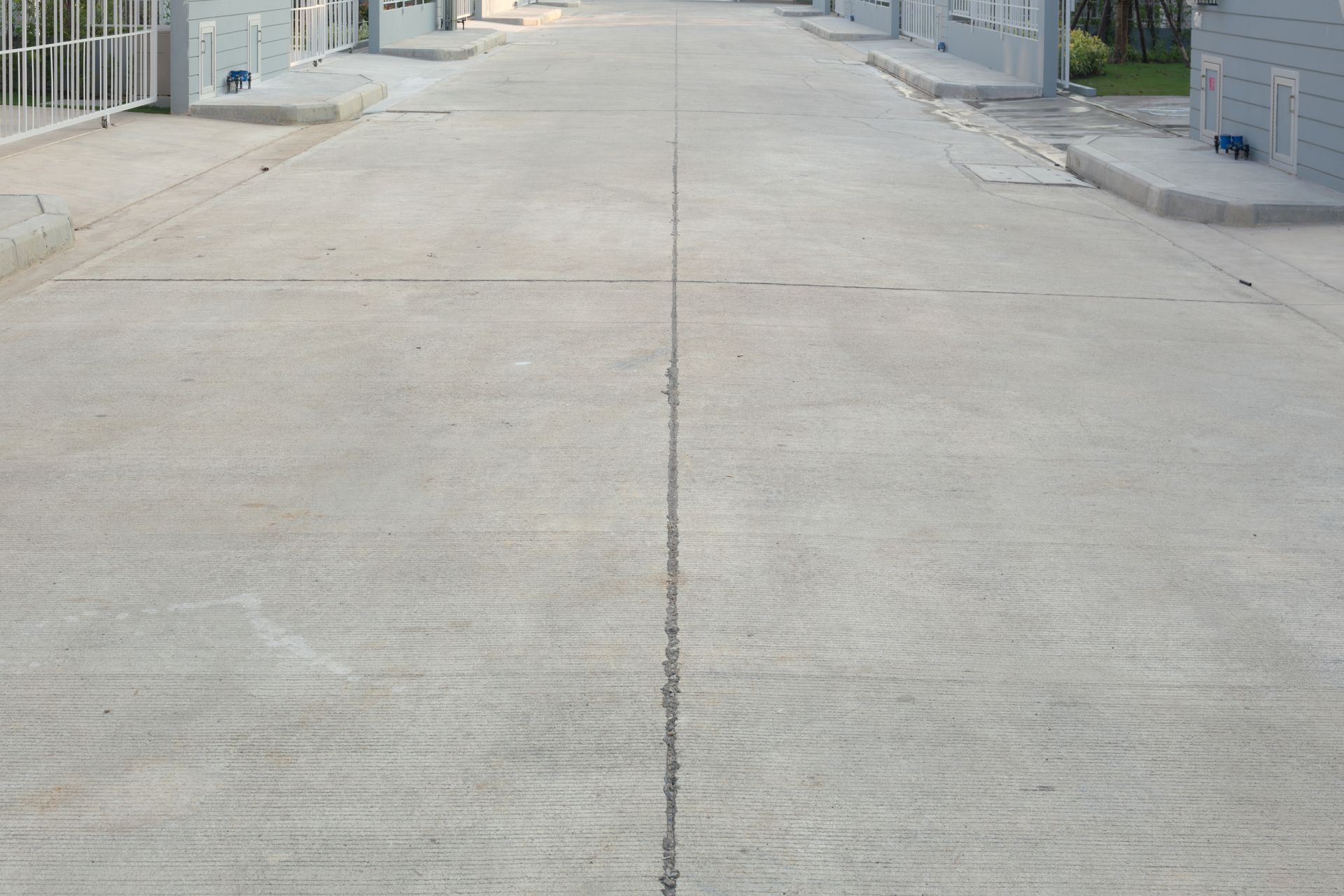
Why Sealing Changes How Concrete Responds
Concrete sealing addresses the material's natural porosity, which allows water, oils, and chemicals to soak into the slab and cause discoloration or structural weakening over time. Penetrating sealers fill the microscopic pores without altering the surface texture, while topical sealers add a protective film that also introduces a low-sheen or glossy finish depending on the product selected. Both approaches reduce the rate at which contaminants enter the concrete, though topical sealers require reapplication more frequently as the surface film wears down from traffic and UV exposure.
After sealing, water beads on the surface instead of darkening the concrete, oil drips wipe away without leaving permanent shadows, and exterior slabs resist the surface flaking that occurs when absorbed moisture freezes and expands. The concrete also cleans more easily because dirt and debris no longer lodge into the open pores. The difference becomes most visible in high-traffic areas or spaces exposed to frequent spills, where untreated concrete would show progressive staining that cannot be reversed without mechanical resurfacing.
Sealing works on concrete that is sound and free of active structural issues, but it does not repair existing cracks or level uneven surfaces. It also does not eliminate all moisture transmission if the slab has ongoing groundwater or vapor pressure problems, which must be addressed separately.
Reapplication intervals vary based on traffic levels and environmental exposure, with exterior surfaces typically requiring attention more frequently than protected interior floors.
Common Questions About Sealer Applications
Clients often ask about sealer longevity, how it affects appearance, and whether it works on both new and existing concrete.
What is the difference between penetrating and topical sealers?
Penetrating sealers absorb into the concrete and react within the pores without forming a surface film, while topical sealers sit on top of the concrete and create a visible finish layer that may add sheen or gloss.
How long does a sealer application last?
Longevity depends on sealer type, traffic levels, and environmental exposure, with penetrating products often lasting several years before reapplication is needed and topical films requiring renewal sooner in high-use areas.
When should concrete be sealed after installation?
Newly poured concrete must cure fully before sealing, typically requiring 28 days or longer depending on mix design and environmental conditions, to avoid trapping moisture that would interfere with sealer adhesion and performance.
How does Charlotte's climate affect outdoor concrete sealing?
The region's freeze-thaw cycles during winter months make exterior sealing particularly important, as water that infiltrates unsealed concrete can freeze, expand, and cause surface spalling that progressively worsens with each seasonal cycle.
What maintenance does sealed concrete require?
Routine sweeping and occasional cleaning with pH-neutral detergents maintain the sealed surface, while harsh chemicals or abrasive cleaning methods can degrade the sealer layer and require earlier reapplication than expected.
Midas Touch Finishes evaluates concrete condition and intended use to recommend appropriate sealer products for Charlotte properties. Contact us to discuss surface-specific requirements and schedule sealer application based on your concrete's age and current condition.