
Boundaries That Serve Specific Purposes
Fencing in Charlotte for properties defining boundaries, containing pets, or adding privacy
Midas Touch Finishes installs wood, vinyl, chain link, and aluminum fencing across Waxhaw, where material selection depends on whether the primary goal is visual privacy, pet containment, property line definition, or a combination of purposes. Wood fencing provides solid visual barriers and customizable height but requires maintenance to prevent rot and warping. Vinyl mimics the appearance of wood without the upkeep, while chain link offers see-through boundaries at lower cost, and aluminum provides decorative borders with minimal maintenance.
Selecting fencing involves balancing appearance with practical needs—privacy fencing uses solid panels that block sightlines, containment fencing prioritizes small gaps that prevent pet escape, and boundary fencing may use open designs that mark property lines without obstructing views. Charlotte properties with varied terrain require adjustments in fence line to follow slopes or step down grade changes without leaving gaps underneath panels.
Schedule an on-site consultation to review fencing options based on your property layout and specific requirements.
The Difference Between Fencing Materials
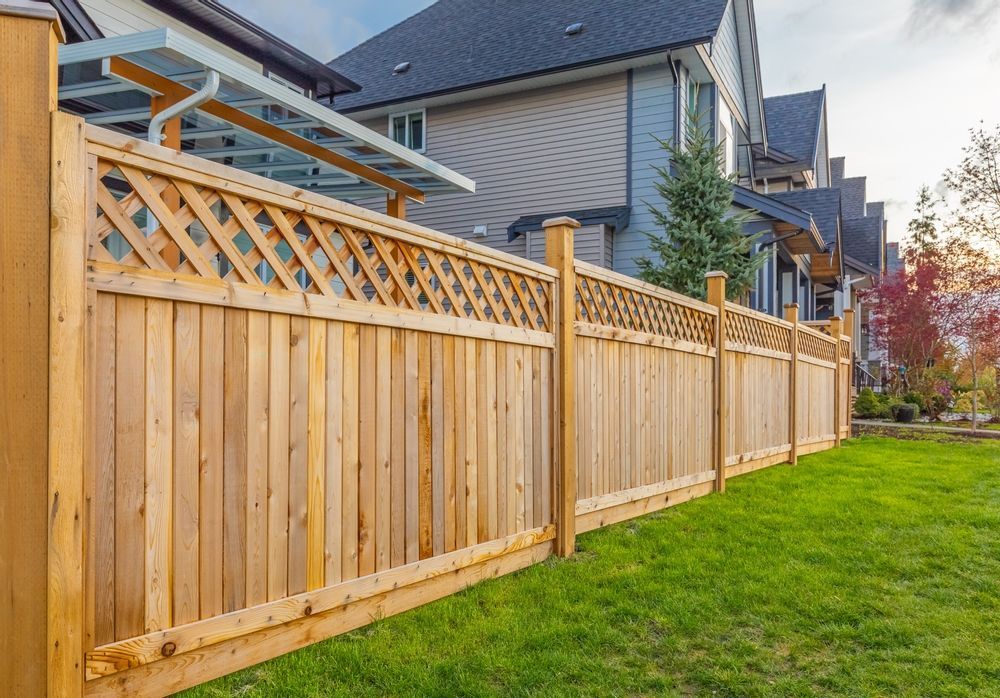
Wood fencing, typically pressure-treated pine or cedar, delivers a traditional appearance and can be built to any height, but exposure to Charlotte's humidity and seasonal rain means the material will gray without staining and eventually warp or rot at ground contact points. Vinyl fencing resists moisture and insect damage while maintaining color permanently, though impact can crack panels and extreme cold may make the material brittle. Chain link provides durable, low-maintenance containment with visibility through the fence, making it suitable for pet areas but offering no privacy. Aluminum fencing combines decorative appearance with corrosion resistance, functioning well for front yard borders or pool enclosures where aesthetics and low maintenance both matter.
Once fencing is installed, you notice that pets remain contained within the yard without gaps at ground level or weak points where panels meet posts. Privacy fencing blocks views from neighboring properties, reducing visibility into outdoor living areas. Property lines become clearly marked, and the fenceline follows the terrain without unsightly gaps or leaning sections. Gates open smoothly and latch securely, and the entire installation appears level and plumb even when following slopes or elevation changes.
Fence height and style may be restricted by local regulations or homeowner association rules, requiring verification before installation begins. Post depth and spacing affect long-term stability—insufficient depth or wide post spacing allows the fence to lean or shift over time, especially in areas with loose soil or heavy root systems.
Questions Before Starting Your Project
Homeowners considering fencing often need clarity on material performance and how different designs meet specific needs.
What fencing material works best for pet containment?
Chain link with smaller mesh sizes prevents escapes for all but the smallest dogs, while wood or vinyl fencing with minimal ground clearance works when visibility through the fence isn't necessary and the goal includes privacy.
How does wood fencing hold up without regular maintenance?
Untreated wood or pressure-treated lumber left unsealed will gray, develop surface cracks, and eventually rot at ground contact points within 10 to 15 years, while sealed or stained wood lasts 20 years or more with periodic reapplication of finish.
When should vinyl be chosen over wood for fencing?
Vinyl makes sense when long-term maintenance is a concern and appearance consistency matters, though it costs more upfront and can't be repaired as easily as wood if panels crack from impact.
What factors determine fence post depth in Charlotte?
Clay soil common in the region requires posts set at least two feet deep with concrete to prevent shifting, while sandy soils may need deeper footings to achieve stability, especially for tall privacy fences that catch wind.
How do property lines affect fencing installation?
Fences must be placed within property boundaries unless neighbors agree to shared placement, and surveys may be needed to confirm lines before installation to avoid disputes or required removal later.
Midas Touch Finishes reviews property conditions and fencing goals to recommend materials and designs that match both appearance preferences and practical requirements. Arrange a property evaluation to discuss fencing options and review material performance for your specific site conditions.